

Bone Spur vs Plantar Fasciitis: Understanding the Difference
Bone spurs and plantar fasciitis are common causes of heel and foot pain, but they differ in origin and treatment. A bone spur is a bony growth that can irritate surrounding tissue, while plantar fasciitis involves inflammation of the ligament connecting the heel to the toes. Dr. Charles Baik, DPM, at Renew Podiatry in Orange, CA, helps patients identify the cause of their pain and recommends targeted therapies, from orthotics to non-surgical interventions, to restore comfort and mobility. For more information, contact us or schedule an appointment online. We are conveniently located at 705 West La Veta Ave, Suite 109, Orange, CA 92868.
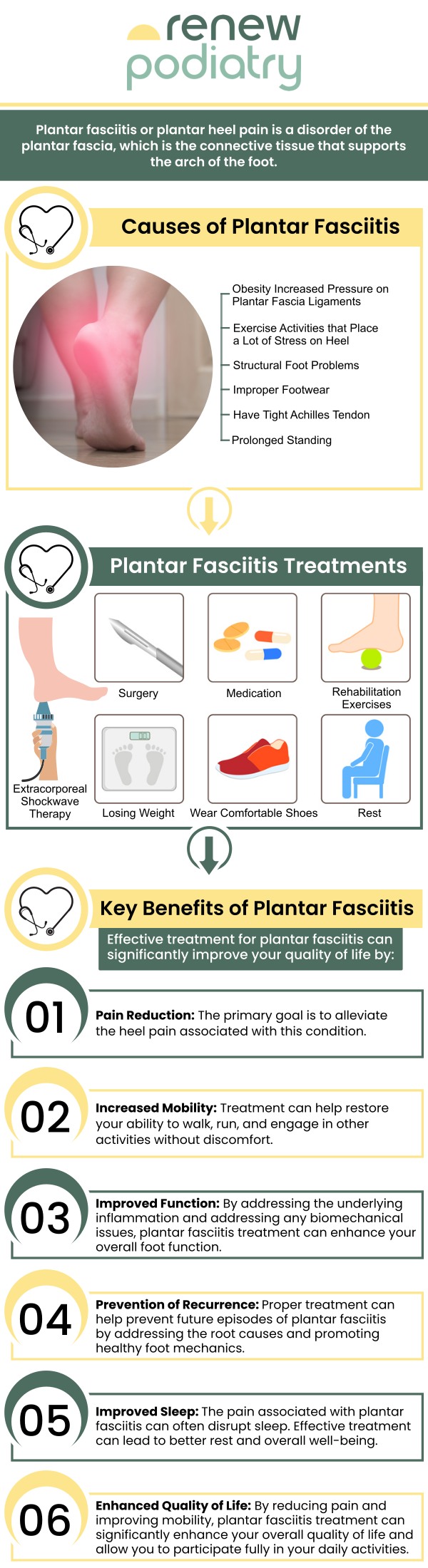
Table of Contents:
How do the causes of bone spurs and plantar fasciitis differ?
Can bone spurs and plantar fasciitis occur together?
How long does it take to recover from a bone spur?
When should I see a doctor for heel pain?
Dr. Charles Baik and the Team at Renew Podiatry in Orange, CA: Bone Spur vs Plantar Fasciitis
At Renew Podiatry, we frequently treat patients dealing with heel pain caused by conditions like bone spurs and plantar fasciitis. While both are common foot problems, they develop from different underlying issues, and understanding these differences is key to effective treatment. The causes of bone spurs and plantar fasciitis differ in the way they affect the foot and develop over time:
Bone Spurs:
• Develop from excessive pressure or friction on bones over time.
• Often formed in response to chronic stress on joints, ligaments, or tendons.
• Commonly associated with conditions like arthritis or repeated trauma to the heel or forefoot.
• Can occur without causing symptoms, but may irritate surrounding tissues.
Plantar Fasciitis:
• Caused by inflammation of the plantar fascia, the thick ligament running along the bottom of the foot.
• Results from overuse, sudden increases in activity, or repetitive strain.
• Often linked to flat feet, high arches, obesity, or improper footwear.
• Leads to heel pain, especially with the first steps in the morning or after prolonged rest.
Understanding the different causes of bone spurs and plantar fasciitis is key to receiving the right treatment and preventing further foot pain. At Renew Podiatry in Orange, CA, Dr. Charles Baik, DPM, and our team carefully evaluate each patient to determine the underlying cause of heel and foot discomfort, providing targeted treatments that relieve pain and support long-term foot health.
Bone spurs and plantar fasciitis can occur together, particularly in the heel. Plantar fasciitis causes inflammation of the plantar fascia, the ligament that runs along the bottom of the foot, and over time, chronic strain on this ligament can lead to the formation of a heel bone spur. While not everyone with plantar fasciitis develops a bone spur, the two conditions are often linked because the stress and tension on the heel can trigger both inflammation and bony growth.
At Renew Podiatry, Dr. Charles Baik, DPM, and our team evaluate patients carefully to determine whether heel pain is caused by plantar fasciitis, a bone spur, or both. Identifying the underlying causes allows us to create a tailored treatment plan, which may include custom orthotics, stretching exercises, anti-inflammatory therapy, or other non-surgical interventions. This comprehensive approach helps relieve pain, improve mobility, and prevent future complications in patients experiencing these coexisting conditions.
Recovery from a bone spur can vary depending on several factors, including the location of the spur, the severity of symptoms, and your overall health. At Renew Podiatry in Orange, CA, Dr. Charles Baik, DPM, and our team carefully assess each patient to determine the best treatment approach, whether it involves conservative measures like orthotics, physical therapy, or, in some cases, minor procedures to relieve discomfort.
The healing process often depends on how closely patients follow their personalized care plan. Proper footwear, targeted exercises, and activity modifications can help reduce pressure on the affected area and promote faster recovery. Our team provides detailed guidance to ensure patients understand each step and can actively participate in their healing process.
Throughout your recovery at Renew Podiatry, we focus on minimizing pain, preventing complications, and supporting long-term foot health. By adhering to our recommendations and attending follow-up appointments, patients can achieve optimal results and return to their normal activities with improved comfort and mobility.
Heel pain can affect daily activities and overall mobility, and knowing when to seek professional care is important. While minor discomfort may improve with rest or home remedies, persistent or severe heel pain can signal an underlying condition that requires evaluation by a podiatrist. Early assessment helps prevent complications and ensures effective treatment.
You should see a doctor for heel pain if you experience any of the following:
• Persistent Pain: Heel pain lasting more than a few days or weeks despite rest and home care.
• Severe or Sharp Pain: Sudden, intense pain that limits walking or daily activities.
• Swelling or Redness: Noticeable inflammation, warmth, or bruising around the heel.
• Numbness or Tingling: Sensations of tingling, burning, or loss of feeling in the foot.
• Difficulty Bearing Weight: Pain that makes it hard to stand or walk normally.
• Recurring Pain: Heel pain that keeps returning after temporary relief.
• Associated Conditions: Pain accompanied by diabetes, arthritis, or other health issues affecting foot health.
Getting a timely evaluation for heel pain is essential to prevent worsening symptoms and ensure proper treatment. At Renew Podiatry in Orange, CA, Dr. Charles Baik, DPM, and our team provide thorough assessments and personalized care plans to relieve pain, address underlying causes, and help patients regain comfort and mobility.
At Renew Podiatry, Dr. Charles Baik, DPM, and our team help patients understand the differences between bone spurs and plantar fasciitis, two common causes of heel and foot pain. Bone spurs are bony growths that develop over time due to chronic pressure, friction, or joint stress, often associated with arthritis or repeated trauma. In contrast, plantar fasciitis is an inflammatory condition of the plantar fascia, the ligament connecting the heel to the toes, typically caused by overuse, improper footwear, or foot structure issues such as flat feet or high arches. Identifying the correct cause is essential for effective treatment and long-term foot health.
Our clinic provides comprehensive evaluations to distinguish between these conditions and develop personalized care plans. Treatments may include custom orthotics, stretching and strengthening exercises, anti-inflammatory therapies, and non-surgical interventions to relieve pain and improve mobility. By combining expert diagnosis with targeted care, Dr. Baik and the team at Renew Podiatry ensure that patients receive the most effective solutions for their foot health concerns in Orange County.
For more information, contact us or schedule an appointment online. We are conveniently located at 705 West La Veta Ave, Suite 109, Orange, CA 92868. We serve patients from Orange CA, Santa Ana CA, Tustin CA, Irvine CA, Anaheim CA, Westminster CA, Yorba Linda CA and surrounding areas.

Check Out Our 5 Star Reviews


Additional Services You May Need
▸ Heel Pain Treatment
▸ Laser Fungal Nail Treatment
▸ Ingrown Toenail Treatment
▸ Ankle Sprain Treatment
▸ Foot and Ankle Medicine & Surgery
▸ Orthotics Custom
▸ EPAT/Shockwave Therapy
▸ Hammertoe
▸ Arthritis Treatment
▸ Diabetic Foot Care
▸ Flat Feet Treatment
▸ Foot Warts Treatment
▸ Remy Laser
▸ Medical Pedicure




 Send Text
 How May I Help You?
